
 By
By 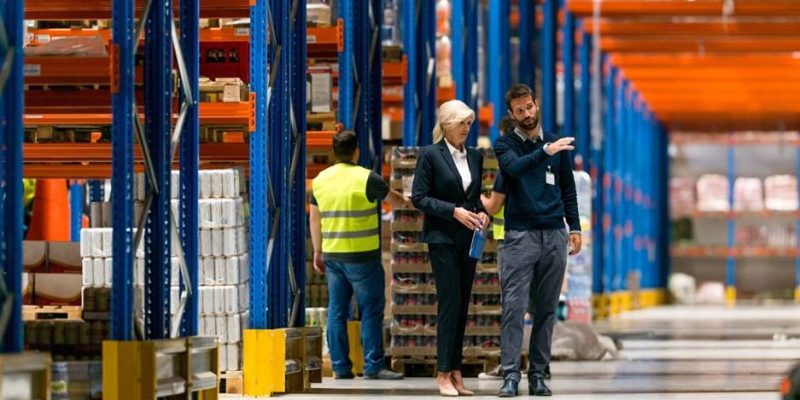
If you run an ecommerce business and find yourself overwhelmed by the daily demands of order fulfillment or logistics, it might be time to think about partnering with a third-party logistics provider (3PL).
3PL services specialize in supply chain management and provides services tailored to support your business needs. One of the biggest advantages of outsourcing logistics is that it allows you to use your company’s resources more effectively. With a 3PL handling all logistics tasks, you can focus on essential areas such as sales, marketing, product development, or manufacturing. However, this doesn’t mean you should simply choose the first provider you find. Since a logistics partner often interacts directly with your customers, choosing the right one is a decision that requires careful consideration. Outsourcing brings many advantages, but there are key factors you need to evaluate before selecting the best 3PL for your operations.
Understand Your Current Needs But Also Plan for the Future
It’s important to assess both your current requirements and your future goals when selecting a 3PL. If you only focus on your present needs, you may find yourself searching for another partner as your business grows. Choosing a provider that can scale with your operations will save time and effort in the long run. Also, identify services that are unnecessary for your business. For example, if you plan to manage returns internally, you can exclude providers that specialize heavily in reverse logistics.
Here are some key services to consider when evaluating different 3PL options:
- Storage: Secure storage for your products over a period of time. Ensure that the provider offers the right type of storage based on your product requirements.
- Cross-docking: Temporary storage while awaiting additional shipments for order consolidation before delivery.
- Palletizing: Placing products onto pallets for easier handling and organization.
- Sorting: Grouping products by categories such as Stock Keeping Units (SKU).
- Labelling: Correct labeling of product packaging.
- Pick and pack: Receiving, retrieving, and packing orders for outbound shipping.
- Repacking: Repackaging goods if their original packaging isn’t suitable for delivery.
- Order fulfillment: Handling the complete process from receiving orders to delivering them to customers.
- Reverse logistics: Processing and managing returned goods.
Understand Your Technology Requirements
Technology plays a crucial role in logistics operations, so defining your technology needs early on is essential. Consider how you want to communicate and exchange data with your provider. You might require regular inventory reports by SKU, or real-time order processing directly from your online store.
Ask potential providers about their warehouse management systems (WMS) to understand their capabilities and future updates. Confirm whether their systems integrate with your sales platforms or marketplaces. The technology should not only handle your current order volume but also scale as demand fluctuates during peak seasons or as your business expands. Additionally, the system should be user-friendly so that your team can adapt to it easily.
Be Clear On Your Budget
Your fulfillment, storage, and logistics decisions will significantly impact your profit margins. That’s why you need a clear understanding of the services you require and the budget you’re working with before you engage with potential 3PL partners. This clarity will help you identify which providers can deliver solutions within your financial limits.
While cost structures vary across providers, they typically fall into five categories:
- Onboarding Costs: Fees for initial setup, which can range from a few weeks to several months depending on complexity.
- Receiving: Costs for accepting and storing incoming inventory, calculated per unit, per pallet, flat rate, or hourly.
- Storage: Charges for warehouse space, calculated per shelf, pallet, or cubic footage. Additional costs apply for temperature-controlled storage.
- Order Fulfillment: Fees for picking and packing orders, usually calculated per order or per item.
- Shipping: Costs vary based on freight, delivery time, destination, shipping zones, and package weight.
Define Your KPIs
Developing clear key performance indicators (KPIs) is essential to ensure both you and your logistics provider are working toward the same goals. Your KPIs should include measurable targets like delivery times, order accuracy, and inventory turnover. By aligning on these metrics, you’ll create a structured framework for evaluating performance and achieving operational success.
Location Matters
The location of your logistics partner’s facilities is a critical factor that affects delivery times and costs. While a single warehouse may be sufficient for some businesses, others might benefit from multiple fulfillment centers to reduce shipping times and costs.
Ideally, your 3PL should have facilities near your primary customer base or in strategic locations close to major transportation routes such as ports, highways, or airports. This proximity not only speeds up delivery but also lowers shipping expenses. However, location should never come at the expense of service quality. Ensure the provider can still deliver reliable performance, accurate billing, and minimal delivery issues.
Visit the 3PL’s Warehouse
Before finalizing any partnership, it’s essential to visit the provider’s warehouse. A professional website can make a company appear credible, but an in-person visit gives you a clearer picture of their operations. Observe how employees work, how the facility is maintained, and how safety and security procedures are implemented. Meeting the team and assessing communication practices can also give you valuable insight into their reliability.
Here are some useful questions to ask during your visit:
- What types of storage and racking solutions do you offer?
- What are your standard operating hours, and how do holidays affect them?
- Which warehouse management systems do you integrate with?
- Do you offer additional services beyond standard fulfillment?
- What is the average order turnaround time?
- Are there any products you cannot service at this location?
- What security measures do you have in place?
Bottom Line
Choosing the right third-party logistics provider is a decision that can have a lasting impact on your business success. By carefully evaluating your current and future needs, technology requirements, budget, KPIs, and preferred location, you can make an informed choice that aligns with your company’s goals. A thorough warehouse visit is also crucial to ensure your potential partner meets your expectations and standards.
Conclusion
Partnering with the right logistics provider is not just about outsourcing tasks—it’s about building a strategic partnership that supports your long-term growth. The right 3PL will streamline your supply chain operations, improve delivery times, and enhance customer satisfaction, all while allowing you to focus on scaling other areas of your business.
By taking the time to assess your needs, understand available services, and evaluate providers carefully, you’ll not only improve efficiency but also position your business for sustained growth and competitiveness in the evolving ecommerce landscape.










Comments