
 By
By 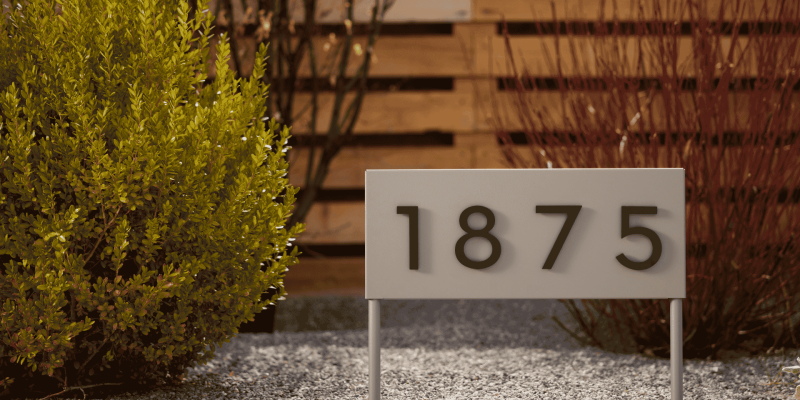
Nothing signals pride of place quite like a thoughtfully chosen set of house address numbers. Instantly visible from the curb, your address numbers are more than just a way for visitors or delivery drivers to find your home. They’re a subtle yet powerful statement about your style, your priorities, and even your attention to detail.
Why Choosing the Right House Address Numbers Matters
The Impact of First Impressions on Your Home’s Curb Appeal
The right numbers create an instant impression. Whether your home is a modern masterpiece or a character-filled classic, the numbers you pick are among the very first design details outsiders notice. Tasteful, well-placed address numbers can elevate your home’s facade and leave a lasting impression on anyone who passes by.
Common Issues with Poorly Selected Address Numbers
Too often, homeowners settle for generic numbers that fade, crack, or simply vanish against certain backgrounds. Poor font choices can make numbers hard to read from the street. Some materials corrode quickly or warp in harsh weather, and all too frequently, numbers are installed in places where they vanish into shadows or foliage. These missteps can result in missed deliveries, confused guests, and a missed opportunity for curb appeal.
Balancing Visibility, Style, and Durability
It’s a fine balance: you want numbers that can withstand years of rain, snow, and sun, yet also serve as a complement to your home’s architecture. Numbers should be easy to spot from a distance but never harsh or out-of-place with the rest of your exterior.
Understanding the Key Challenges in Selecting Address Numbers
Weather and Environmental Factors to Consider
In climates where rain, snow, salt, or extreme sun are common, materials can age rapidly. Rust, fading, and warping threaten the integrity of even the best-looking numbers. For homes near the coast, salt air is a particular menace, while homes in the north can see numbers covered by snow or ice for months at a time.
Material Durability and Maintenance Demands
Every material choice brings its own set of demands. Metal numbers, for instance, offer longevity but can still require cleaning to prevent tarnishing or dullness. Plastics and resin blends promise weather resistance but may become brittle over time. Wood, while beautiful, needs regular sealing or repainting. Understanding the trade-off between beauty and long-term care is essential.
Visibility Concerns: Size, Font, and Placement
No matter how stunning your numbers, they’re not much help if guests can’t read them. Choosing fonts that are both elegant and legible, sizes that stand out at a distance, and locations that maximize visibility is crucial. Numbers hidden behind plants or lost in decorative details can frustrate guests and emergency responders alike.
Exploring Durable Materials for House Address Numbers
Metal Options: Aluminum, Stainless Steel, and Brass
Metals remain the top choice for durability and modern style. Aluminum is lightweight, rust-resistant, and available in a wide range of finishes. Stainless steel offers a bold, contemporary look and unmatched longevity, though it may require occasional cleaning to maintain its shine. Brass brings timeless character but is best for covered entryways, as it will patina over time.
Weather-Resistant Synthetic Materials
High-quality plastics and resin composites are rising in popularity due to their ability to withstand the elements with minimal upkeep. These materials can mimic the look of metal or wood while providing superior resistance to moisture, fading, and cracking.
Pros and Cons of Wood and Other Natural Materials
Natural materials like wood add warmth and charm, especially on traditional or rustic homes. However, they demand more care, including regular sealing or painting, and may not perform well in damp or harsh climates. If you crave the look of wood, consider engineered options that offer similar aesthetics with improved durability.
Styling Your House Numbers to Complement Your Home’s Architecture
Matching Fonts to Architectural Styles
Font matters more than you might think. A sleek, sans-serif number suits contemporary homes, while ornate or serif fonts blend seamlessly with period architecture. For mid-century dwellings, bold, geometric numerals are a favorite.
Color Choices and Finishes that Enhance Readability and Aesthetics
Contrast is key. Numbers should pop against the background, think dark numbers on a light wall, or vice versa. Matte, brushed, or powder-coated finishes can minimize glare and maximize legibility. Some homeowners opt for metallic finishes for a bit of eye-catching shine.
Integrating Lighting and Other Enhancements
Integrated lighting transforms numbers into functional art, ensuring visibility after dark. Solar-powered or hardwired LED backlighting is increasingly popular for both aesthetics and practicality. Simple touches like shadow plates or standoffs can add depth and visual interest.
Custom vs. Pre-Made Address Numbers: What to Choose?
Benefits of Custom-Made Numbers for Unique Homes
Custom numbers offer endless possibilities for personalization. You can select unique fonts, sizes, materials, and finishes to perfectly match your vision and your home’s design language. For homes with unusual facades or layouts, custom solutions ensure a perfect fit and an unmistakable sense of style.
When Ready-Made Numbers Are a Practical Option
Off-the-shelf numbers can be ideal for straightforward installations, rental properties, or tight timelines. Modern retailers offer a wide selection of quality, pre-made numbers in standard fonts and finishes. While these may lack the unique character of custom solutions, they appeal through affordability and speed.
Cost Considerations and Long-Term Value
Initial price is just one factor; longevity and maintenance costs matter too. Cheap numbers may need regular replacing, while higher-quality custom or designer numbers can last for decades with minimal attention. Investing more upfront can often mean less hassle (and expense) later on.
How to Ensure Your House Numbers Are Visible and Functional
Optimal Size and Placement Guidelines
Numbers should be large enough to be read from the street, typically at least 4 inches tall for residences. Placement at eye level, clear of obstructions, and angled toward the line of sight from the road ensures maximum visibility.
Using Reflective and Illuminated Numbers for Night Visibility
Reflective finishes or built-in lighting keep your address visible for late arrivals and emergency services. Today’s best designs integrate discreet LEDs or use reflective coatings that remain elegant by day and highly visible by night.
Avoiding Common Placement Mistakes
Numbers buried in landscaping, hidden under eaves, or placed too far from the entryway create confusion. Avoid mounting numbers on movable surfaces like screen doors, or in places where seasonal decor or snow can block them.
Steps to Ordering Durable and Stylish House Address Numbers
Assessing Your Needs and Style Preferences
Consider your home’s architecture, the environmental challenges of your location, and your taste in design. Take photos, gather inspiration, and measure your available mounting space. This preparation paves the way for confident decision-making.
Working with Designers or Sign Makers for Custom Solutions
Partnering with experts opens up a realm of tailored options. Companies like Orthografica house address numbers are known for combining architectural principles with high-quality materials, helping you strike the right balance between function and flair.
Reviewing Samples and Making Final Adjustments
Before finalizing, review samples or digital mockups. Confirm that your chosen numbers suit the space in both daylight and after dark. Don’t hesitate to make tweaks, this is your home’s first impression, and it deserves careful attention.
Caring for and Maintaining Your House Numbers Over Time
Cleaning Tips for Different Materials
For metals, a gentle wipe with a soft cloth and mild soap is usually sufficient. Avoid harsh chemicals that can dull finishes. Plastics need little more than water, while wood may require the occasional coat of sealant. Light scuff marks can often be buffed out with specialized cleaners.
When and How to Refurbish or Replace Your Numbers
Even the best numbers may need a refresh over time. Watch for peeling paint, rust spots, or fading. Repainting, polishing, or resealing can restore numbers to their former glory. If cracks or serious weather damage appear, replacement may be the better option.
Protecting Against Environmental Damage and Wear
Consider overhangs or protective finishes for homes exposed to harsh weather. Regular cleaning and quick responses to minor wear help extend the life of your house numbers, preserving their look and legibility for years.
Taking Action: Where to Find Quality Custom House Numbers
Trusted Providers and What to Look For
Seek out providers with strong reputations for craftsmanship and durability. Look for guarantees on materials, transparent design processes, and a willingness to accommodate your specific requests.
How to Request Quotes and Design Consultations
Most reputable makers offer free quotes and consultations. Come prepared with your ideas, photos, and measurements. The more detail you provide, the better your final product will reflect your vision.
Planning Your Installation for Maximum Impact
Once you receive your new numbers, plan installation carefully. Use accurate measurements, solid mounting hardware, and, if needed, consult a professional to ensure perfect placement and secure attachment.
Choosing house address numbers is a chance to make a statement that lasts for years. With a thoughtful approach and attention to detail, you can ensure your home is easy to find, beautifully presented, and uniquely yours.









Comments