
 By
By 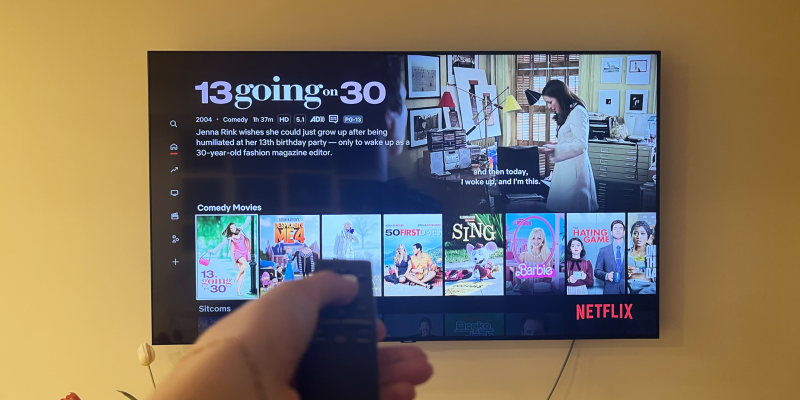
Language accessibility features change how people experience cinema across language boundaries. Film streaming on tamilyogi.cx has subtitle options and dubbed audio tracks, which were not available during theatre releases. Stories and performances no longer need to be translated into their original language. Hearing-impaired people can benefit from closed captioning and dubbing systems.
Subtitle language variety
Streaming services provide subtitle options in dozens of languages. Theatres offered single options or no options at all. The most popular subtitles across platforms are English subtitles. Global viewers often see subtitles in French, Spanish, German, Portuguese, and Arabic. Indian regional languages are added to support audiences from different states. This helps people understand content in their own language without difficulty. Subtitle quality is not the same everywhere and depends on how they are created. Professional subtitles explain emotion, wordplay, and cultural meaning clearly. Automated subtitles usually fail to capture these details accurately. Important expressions and context are often lost in machine-based translations. Subtitle timing is as important as language accuracy.
Dubbing audio tracks
Viewers can view dubbed films in their preferred language without subtitles. A voice actor needs to match lip movements closely when recording dialogue. Original performances are preserved in quality dubbing by maintaining emotional tone and comic timing. Budget constraints sometimes result in fewer voice actors handling multiple characters. This creates confusion when distinct characters sound identical. Regional dubbing traditions differ. Some markets prefer literal translations. Others adapt dialogue for local humour and references. Viewers are split between preferring original audio with subtitles versus dubbed versions in familiar languages. Neither choice proves objectively superior. Personal preference drives the decision.
Accessibility features included
In addition to subtitles, closed captions provide audio descriptions of non-dialogue audio items including music cues, sounds effects, and background noise. Speaker identification shows when voices appear offscreen, and descriptive audio tracks help people with vision impairment understand visual details. Their availability grows steadily, though. Streaming makes implementing accessibility features easier than theatrical distribution ever allowed. No extra prints or special screenings are required. Digital files include multiple audio and subtitle tracks simultaneously.
Cultural context preservation
This educational aspect helps viewers from different backgrounds appreciate stories more fully. Dubbing faces challenges here. Spoken explanations disrupt dialogue flow. Some dubbed versions skip cultural context entirely. They assume audiences won’t notice missing references. Others add brief narrator explanations between scenes. The balance between accessibility and authenticity creates ongoing debate among translators and film enthusiasts.
Customisation and preferences
Modern streaming interfaces let viewers customise subtitle appearance. Font size, colour, background opacity, and position adjust to individual needs. Larger fonts help viewers sitting far from screens. High contrast colours improve readability in bright scenes. Position adjustments prevent subtitles from covering important visual information. Audio track switching happens mid-playback. Consider comparing dubbing against original performances. Multiple household members can watch the same film with different audio and subtitle combinations on separate devices. This flexibility didn’t exist with physical media. One subtitle track and one audio option came permanently embedded there.
The original meaning is preserved in professional translations without distorting the cultural context. Despite being presented in another language, the story and emotions remain accurate. Accessibility features support viewers with hearing and visual difficulties and improve overall inclusion. Customisation options help people adjust their viewing experience based on personal comfort and individual needs.








Comments