
 By
By 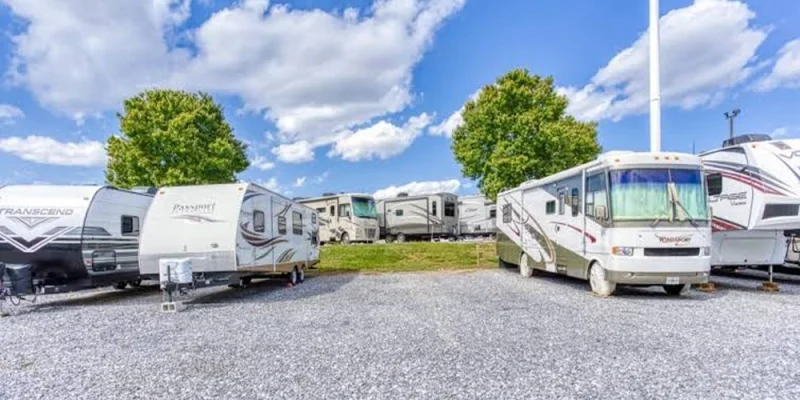
Finding a suitable place for large outdoor units can simplify ownership throughout changing seasons. The boat storage Eagle River AK gives owners a practical option when home parking becomes limited. Different weather conditions can affect where equipment remains parked. A suitable location keeps bulky units away from crowded driveways. Regular arrangements also make preparation easier before future use.
Parking Options for Different Units
Different recreational units require different amounts of room during storage. Smaller equipment may need less space than larger trailers. Wider areas can help owners position bulky units without repeated adjustments. Parking choices should match the size of the stored equipment.
Seasonal Conditions Shape Parking Needs
Weather can influence outdoor parking throughout the year. Snow, ice, rain, and strong winds may affect exposed equipment. Owners should consider drainage, ground strength, and surrounding conditions. Covered areas may provide another option when suitable arrangements are available.
Helpful Checks Before Choosing Storage
A few simple checks can make year-round parking easier. Owners should review the space before making regular storage arrangements.
- Check parking dimensions against the complete unit measurements carefully.
- Review gate width before bringing larger equipment inside.
- Confirm operating hours before planning regular collection visits.
- Inspect ground conditions during periods of severe weather.
- Look for enough turning room around assigned parking spaces.
- Review nearby roads for easier departure during visits.
- Ask about winter maintenance around commonly used parking areas.
- Keep required documents ready before arriving for scheduled collection.
Planning Around Changing Weather Conditions
Cold weather may require different preparation than warmer periods. Owners should monitor tire covers, seals, and exposed surfaces regularly. Snow accumulation can add weight to outdoor equipment. Ice may also make surrounding ground harder to manage. Regular checks can identify small concerns before they become larger problems. Good planning also helps owners prepare equipment before storage periods begin.
Seasonal checks should match local weather conditions and equipment needs. Owners can adjust preparation when outdoor conditions change.
What Should Owners Check Before Year-Round Parking?
Owners should first review the size of their equipment. Length, width, and height determine how much room the unit requires. Turning space also matters during entry and departure. A suitable parking area should provide enough clearance around surrounding objects. Ground conditions deserve attention during wetter or colder periods. Owners should also confirm operating hours before scheduling visits. Clear instructions can reduce delays during collection. Regular inspection helps identify cover damage, moisture buildup, or surface concerns. A simple checklist keeps seasonal tasks organized without creating unnecessary work.
Keeping Collection Plans Easy to Manage
Regular storage works better when owners know their collection routine. Operating schedules should fit expected visits throughout different seasons. Clear parking markers can shorten the time needed to locate equipment. Simple entry procedures can also reduce confusion during busy periods.
Owners considering trailer storage Eagle River can review space size before making arrangements. Trailer dimensions may vary considerably between models. Extra room around the unit can support easier positioning. Checking these details beforehand helps owners avoid unsuitable parking choices.
Common Questions About Seasonal Parking
• How often should stored equipment receive basic condition checks?
Regular checks should follow storage rules and local weather conditions.
• Does winter weather affect outdoor parking arrangements?
Snow, ice, and moisture may influence ground and equipment conditions.
• Should owners measure equipment before choosing a parking space?
Yes. Accurate measurements help prevent unsuitable space selections.
• Does turning room matter for larger stored units?
Yes. Extra room allows smoother entry positioning and departure.
• Should operating hours be checked before storing equipment?
Yes. Confirmed schedules help owners plan collection visits properly.
• Can separate parking reduce household driveway crowding?
Yes. Offsite parking can create additional room around residential properties.
Consistent Care Keeps Parking Practical
Good storage planning depends on simple checks rather than complicated routines. Owners can compare dimensions, ground conditions, entry arrangements, and seasonal concerns. Regular monitoring helps keep equipment ready for planned collection. Small adjustments may be needed when weather conditions change. Clear planning also reduces unnecessary movement around home parking areas. A steady routine can make year-round storage easier to manage.
Steady Planning Supports Better Storage
Owners benefit from checking measurements before choosing parking. Weather awareness helps protect stored equipment during difficult periods. Regular inspections can identify concerns before collection becomes necessary. Suitable arrangements also reduce pressure on residential parking areas. Consistent preparation provides a practical way to manage stored equipment throughout the year.
Map Link:




Comments