
 By
By 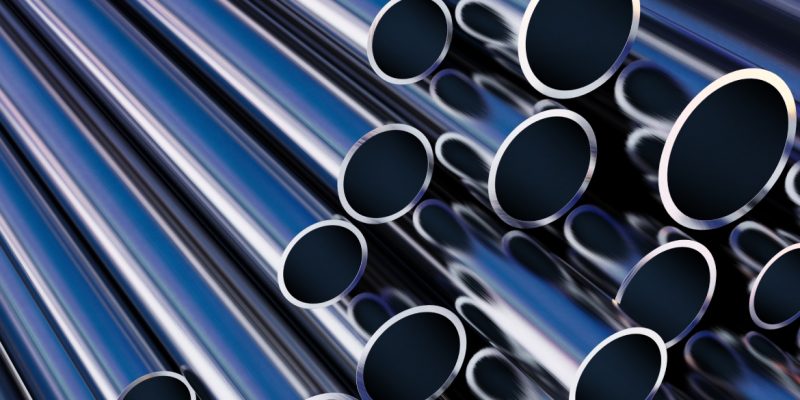
Every major infrastructure project stands or falls on the quality of its materials. Yet, finding steel pipes durable enough to withstand decades of stress, weather, and wear remains a persistent challenge for engineers and project managers alike.
Early Challenges in Sourcing Durable Steel Pipes for Infrastructure
When the demand for steel pipes surged in the early days of modern infrastructure, the industry quickly ran into roadblocks. Sourcing pipes made from high-quality steel was far from straightforward. Local mills often struggled to keep up with demand, and imported products could be inconsistent in both size and strength.
Limited Availability of High-Quality Materials
Contractors frequently faced shortages, forcing them to compromise with whatever was available. These substitutions sometimes led to structural failures, costly repairs, or even catastrophic incidents. The lack of standardized materials made planning and budgeting unpredictable.
Dependence on Multiple Vendors and Fragmented Supply Chains
Sourcing steel pipes meant working with a patchwork of suppliers, each with their own delivery schedules, pricing, and quality standards. This fragmented approach complicated logistics and created opportunities for miscommunication and delays.
Initial Cost Barriers and Budget Constraints
The price of high-grade steel pipes has always represented a significant portion of infrastructure budgets. Many projects, especially those in the public sector, struggled to meet both their technical requirements and financial constraints.
Evolution of Steel Pipe Manufacturing and Material Standards
Technological advances began to shift the landscape. Modern steelmaking processes, such as better alloys and improved heat treatment, dramatically increased both the strength and life expectancy of steel pipes.
Advances in Steel Composition and Durability
Today’s pipes use carefully controlled blends of carbon and alloying elements, resulting in products that resist corrosion, cracking, and deformation much more effectively than their predecessors.
Emergence of Seamless and Specialty Pipes
The evolution of seamless pipe manufacturing eliminated many of the weak points found in welded pipes. Specialty products, such as those designed for high-pressure applications or aggressive environments, have further expanded the options available for demanding infrastructure projects.
Standardization of Specifications for Infrastructure Use
Industry-wide standards (such as ASTM, API, and CSA) grew out of a need for reliability. With these in place, clients could specify the exact properties they required, simplifying procurement and ensuring consistency.
Modern Market Dynamics and the Rise of Surplus and Used Steel Pipes
The infrastructure sector’s appetite for steel pipes has led to an abundant secondary market. Surplus and used steel products are now a cornerstone for cost-effective solutions.
Benefits and Risks of Using Surplus Steel Products
Opting for surplus pipes can dramatically reduce costs and shorten lead times. However, it also introduces questions about prior use, residual lifespan, and true material properties. Rigorous inspection is essential.
How Surplus Steel Meets Diverse Infrastructure Demands
Providers now sort and certify surplus stock by type, grade, and previous applications, making it possible to match the right material to each project. This flexibility supports everything from municipal drainage to heavy industrial foundations.
Case Studies: Successful Projects Using Surplus Pipes
Across North America, municipalities have successfully used surplus steel for roadwork, bridge pilings, and drainage systems. These projects demonstrate that with proper vetting, surplus resources can meet or exceed performance expectations.
Overcoming Logistical and Quality Control Challenges
As the market matured, solutions emerged to address long-standing pain points.
Streamlining Procurement with Centralized Distributors
By turning to distributors offering a wide range of pipe sizes, grades, and related services under one roof, project managers can minimize delays and reduce risk. For example, companies provide extensive inventories and manage logistics from purchase through delivery.
Quality Inspection and Certification Processes
Today, third-party inspections, ultrasonic testing, and certification documentation are standard. These processes ensure even surplus pipes meet stringent safety and quality requirements.
Customization Services: Cutting, Welding, and Coating
Distributors now offer value-added services, including cutting pipes to precise lengths, welding, and adding protective coatings. This customization saves time and further guarantees fit and durability for each unique project.
The Role of Regional Distributors in Meeting Infrastructure Needs
Large centralized vendors have transformed project supply chains.
Advantages of Localized Inventory and Quick Access
With stockyards in strategic locations, distributors can provide rapid delivery and reduce transport costs, a critical benefit for time-sensitive infrastructure work.
Example: Stealth Pipe and Steel’s North American Presence
A company like tubes métalliques Stealth Pipe and Steel makes sourcing both surplus and new steel pipes far less complex by maintaining locations across the United States and Canada. Their ability to serve customers from multiple hubs streamlines procurement, especially for projects in the Northeast and central Canada.
Integrating Customer Support and Consultation Services
Modern distributors offer not just materials but expertise. Their teams assist with technical questions, compliance, and custom solutions tailored for complex infrastructure challenges.
Future Trends in Steel Pipe Supply for Infrastructure
The steel pipe industry is not standing still.
Increasing Demand for Sustainable and Recycled Materials
Sustainability pressures have fueled a surge in recycled and surplus steel utilization. Companies are responding by improving traceability and certification for these materials.
Technological Innovations in Pipe Fabrication and Treatment
Advancements in pipe coatings, anti-corrosion treatments, and manufacturing automation continue to expand the capabilities and reliability of steel pipes.
Digital Tools for Inventory Management and Supplier Coordination
Sophisticated online platforms help engineers track orders, compare suppliers, and manage logistics, cutting administrative overhead and reducing the risk of delays.
Strategies for Infrastructure Projects to Secure Durable Steel Pipes
Success starts with smart planning and reliable partnerships.
Planning for Material Specifications and Compliance
Early, detailed specifications rooted in recognized standards help prevent costly errors and rework.
Building Relationships with Trusted Suppliers
Long-term collaboration with reputable distributors pays dividends in pricing, quality, and service.
Leveraging Surplus Markets Without Compromising Quality
With rigorous inspection and documentation, surplus pipes can meet the highest standards at a fraction of the cost.
Conclusion: Navigating Today’s Challenges to Build Tomorrow’s Infrastructure
Infrastructure demands are only rising. Meeting these needs requires a careful balance of cost, quality, and speed. By embracing new material standards, innovative sourcing strategies, and expert guidance, project leaders can ensure that their investments endure. Strategic partnerships and a willingness to consider surplus options, when vetted and certified, mean that tomorrow’s cities, roads, and power grids will be built not just to last, but to excel.







Comments