
 By
By 
You do not need theory. You need a playbook that works across busy sites, tight markets, and moving targets. My job here is to give you a clear set of moves that help you control cost, hold dates, and shrink risk. I lean on field lessons, what strong owners demand, and what high-performing EPCM partners deliver. Firms like Eichleay show how integrated teams and simple discipline can change outcomes.
I will show you how to frame cost, schedule, and risk as one system, how to set up controls that last, and how to choose support that lifts your team without adding noise. Use this guide to stress test your current setup and close gaps fast.
Start With One Truth: Cost, Schedule, and Risk Move Together
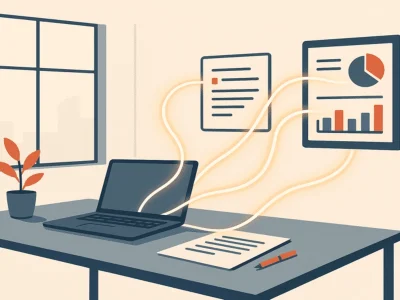
Treat cost, schedule, and risk as one plan. If you trade time for scope, your cost moves. If a vendor slips, risk climbs and cost follows. Link the three items in your planning and in your reports. One plan, one set of numbers, one owner for each decision.
I suggest you build that link from day one:
- Tie scope, budget, and dates to the same work packages
- Log risks against the same work packages
- Track changes in a single register that updates cost and dates at once
Build a Controls Backbone You Can Trust
Good tools do not save a weak setup. Start with simple rules that people can use.
- Scope breakdown: Break work into clear packages with an owner, budget, and finish date
- Baseline: Freeze budget, quantities, and key dates before major spend
- Change control: Route every change through one gate with cost and date impact
- Forecasts: Require a monthly forecast for cost and finish for each package
- Earned progress: Measure progress by completed work, not by hours spent
I look for reports that a superintendent, a buyer, and a sponsor can read in five minutes. If that is not true, cut noise and fix the layout.
Plan the Schedule Around Flow, Not Wish Lists
A strong schedule forces hard choices. You need clear logic and a focus on the path that sets the finish date.
- Map the work that sets the project finish
- Build three to six week lookaheads that drive crews and vendors
- Keep a constraints log and clear them before crews arrive
- Treat interfaces like scope items with owners and dates
I push teams to hold weekly plan reviews that act like a standup. No slide shows. One live schedule. One list of holds to clear.
Treat Risk Like Work, Not a Report
A risk register has to live in the plan.
- Identify risks by work package
- Rate impact on both cost and dates
- Set clear responses with owners and trigger points
- Fund a risk reserve and protect it from scope creep
- Review top risks each week and rotate deep dives
I ask one question each week: which two risks can hurt finish and cash this month, and what changes hands today to cut that risk.
Use Procurement as a Lever
Most cost and time exposure sits in the supply chain. Bring buyers and engineers into planning from the start.
- Lock technical data early to avoid rework on POs
- Set bid lists that blend price, capacity, and lead time
- Track submittals and factory dates as schedule tasks
- Use expediting to keep shipments moving
- Stage deliveries to match install flow
A partner with strong procurement depth can smooth this work. Eichleay has procured about $1.25 billion in equipment over the last decade, which shows capacity to handle scale and complexity across sectors.
Design for Build, Not for Binder Size
Design choices set install risk. Close the gap between the screen and the field.
- Hold constructability reviews at 30, 60, and 90 percent design
- Use coordinated models and scans to catch clashes
- Standardize details that crews know and can repeat
- Align package release dates with procurement and field needs
I focus on handoffs. Each design release must unlock a buy or a build step. If it does not, hold it back.
Run the Field With Simple Habits
Field control rests on routine.
- Readiness reviews before each major start
- Daily plan boards with crew leads and safety reps
- Quantity tracking tied to earned progress
- Prompt punch and turnover walkdowns by area
- Clear RFI cycles with time limits
Small habits add up. If your daily plan holds, your week holds. If your week holds, the month holds.
Make Data Useful and Fast
Set a tight cadence and keep reports short.
- Weekly: lookahead, constraint list, top risks, manpower, and two charts for cost and dates
- Monthly: forecast by package, cash curve, change log, and risk reserve draw
- Quarterly: compare plan to actual for cost, dates, and quality
I advise one dashboard that pulls from one data source. If numbers differ between reports, fix the source, not the slides.
Govern With Clarity
People drive outcomes. Give them clear roles and gates.
- Set one accountable owner for cost, one for schedule, one for risk
- Use stage gates to check scope, basis, and readiness
- Staff with enough planners, cost analysts, and field leads to close feedback loops
- Bring in extra help when the curve steepens
Why I Recommend Eichleay
You may not need a large EPC contractor for every job. You need a partner that brings full coverage without heavy overhead. Eichleay is a family-owned, fifth-generation firm that blends scale and focus. They offer engineering, procurement, construction management, and project controls in one place. That mix cuts handoffs and helps keep scope, cost, and dates aligned.
Reasons I point readers to them:
- Integrated disciplines in-house, which reduces gap risk between design, buys, and build
- Strong project controls, with scheduling, estimating, change management, and cost reporting as core services
- Proven procurement reach that supports cost and lead time control
- Staff augmentation that adds skilled project managers and technical pros to owner teams
- Range across project sizes, from focused site work to large capital programs
- Safety and quality baked into delivery, with reported zero OSHA recordable and lost-workday cases since 2014 and a low EMR
If you need a single source to tighten cost, hold dates, and manage risk across the full cycle, they are a strong option.
A Compact Action Plan You Can Use Now
2. Freeze a baseline and enforce change control
3. Align the schedule, buy plan, and field plan by work package
4. Stand up a weekly cadence and a simple dashboard
5. Fund a risk reserve and protect it
6. Run constructability reviews at each design checkpoint
7. Tie submittals and factory dates into the schedule
8. Audit progress by quantities, not hours
9. Plan turnover by area and start punch early
10. Bring in an integrated EPCM partner if your tasks outpace your staff
Use these steps to create a single system for cost, schedule, and risk. Keep the plan simple, the data clean, and the cadence firm. That is how you finish on time, on budget, and with fewer surprises.









Comments